

Early Autism Indicators in Children: Social and Behavioural Signs Parents Should Recognize
Autism is a neurodevelopmental condition that affects communication, social interaction, and behavioural patterns. While signs often appear in early childhood, many parents may overlook subtle indicators or assume certain behaviours are part of typical development. At Dr. Aju Abraham Medical Center in Doha, clinicians help families understand these early signs so children can receive timely support and appropriate intervention.
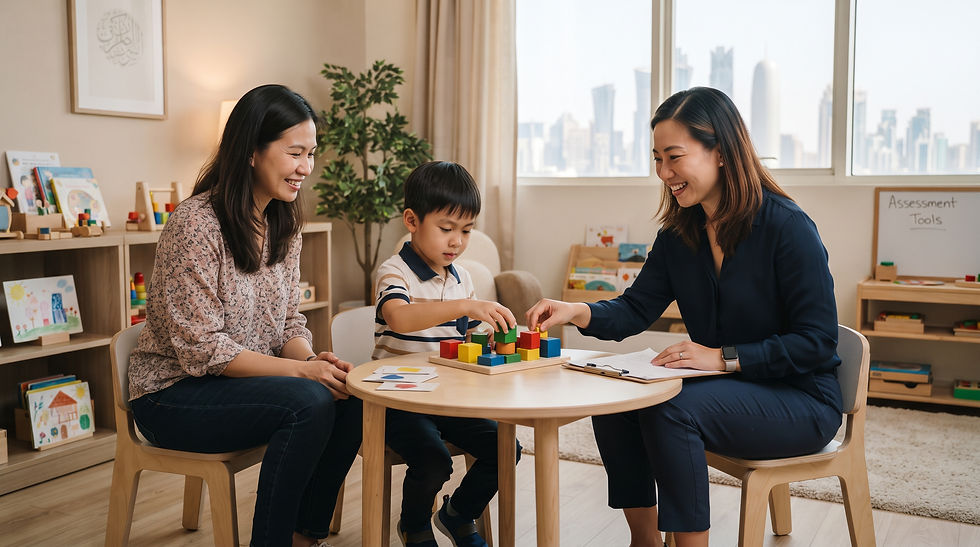
This blog highlights the social and behavioural indicators of autism in children and explains why early recognition is important.
Understanding Autism in Children
Autism presents differently in every child. Some signs are noticeable early, while others become clearer as social demands increase. Recognizing patterns in communication, play, and behaviour can help parents identify when a child may benefit from assessment.
Common areas affected include:
Social interaction
Communication
Play and imagination
Sensory processing
Behavioural flexibility
Social Indicators Parents Should Recognize
1. Limited Eye Contact
Children may avoid or struggle to maintain eye contact, even with familiar people. This can make interactions feel less connected.
2. Difficulty Engaging with Others
Children may prefer playing alone, show limited interest in peers, or find group activities overwhelming.
3. Challenges with Social Reciprocity
Social reciprocity refers to the natural back‑and‑forth of interaction. Early signs include:
Not responding to their name
Limited sharing of interests
Reduced imitation of gestures or expressions
4. Difficulty Understanding Social Cues
Children may struggle to interpret facial expressions, tone of voice, or body language, making social situations confusing.
Behavioural Indicators Parents Often Miss
1. Repetitive Movements or Behaviours
These may include:
Hand flapping
Rocking
Repeating words or phrases
Lining up toys
These behaviours help children self‑regulate but may indicate autism when persistent.
2. Strong Preference for Routine
Children may become distressed when routines change or when transitions occur unexpectedly.
3. Intense Focus on Specific Interests
Some children develop deep interest in particular objects, topics, or activities, often engaging with them in repetitive ways.
4. Sensory Sensitivities
Children may react strongly to:
Loud noises
Bright lights
Certain textures
Specific smells
Sensory overload can lead to withdrawal or behavioural outbursts.
5. Delayed or Atypical Communication
Signs may include:
Limited speech
Unusual tone or rhythm
Difficulty using gestures
Echolalia (repeating words or phrases)
Why These Signs Are Sometimes Overlooked
1. Variation in Development
Children develop at different rates, making it easy to assume delays are temporary.
2. Masking or Compensation
Some children learn to imitate behaviours or rely on routines that hide underlying challenges.
3. Misinterpretation as Personality Traits
Signs may be mistaken for shyness, independence, or strong preference rather than indicators of autism.
4. Limited Awareness in Early Years
Parents may not recognize early signs until social demands increase, such as during school entry.
How DAAMC Supports Children and Families
At Dr. Aju Abraham Medical Center, clinicians provide comprehensive assessments and individualized support for children showing signs of autism. Services may include:
Developmental evaluations
Behavioural and communication assessments
Parent guidance and education
Structured therapy plans
Support for school and daily routines
Strategies for managing sensory sensitivities
Our goal is to help children thrive by providing early, evidence‑based intervention and supporting families throughout the process.
Conclusion
Early recognition of autism signs allows children to receive timely support that strengthens communication, social skills, and daily functioning. At Dr. Aju Abraham Medical Center in Doha, clinicians offer compassionate, structured care to help families understand their child’s needs and access appropriate intervention.
If you notice any of these signs in your child, our team is here to help.

